Aug 19, 2026News & Insights
Why Do USB-C Chargers Get Hot? Thermal Throttling and Safety Checks for B2B Buyers
Learn why USB-C chargers get hot, what thermal throttling means, and what B2B buyers should check before bulk charger orders.
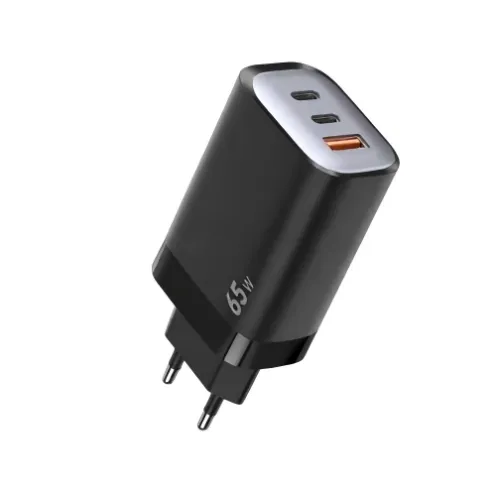
Understand why USB-C chargers may get warm during fast charging and what importers should check before bulk orders.
Many customers ask why USB-C chargers get warm during use. For importers and distributors, this is an important question because charger temperature can affect customer feedback, product reviews, and repeat orders.
Is It Normal for a Charger to Get Warm?
Yes, it is normal for a charger to become warm during fast charging. A charger converts AC power into DC power, and part of the energy becomes heat.
However, excessive heat is not normal. If a charger becomes too hot to touch, has a strange smell, changes shape, or causes unstable charging, it should be checked immediately.
Why Fast Chargers Generate Heat
Fast chargers are smaller and more powerful than traditional adapters. Products such as 30W, 45W, and 65W USB-C chargers need better thermal design, stable components, and good internal structure.
GaN chargers can support compact size and higher efficiency, but they still require proper PCBA design, aging testing, and quality control.
What Is Thermal Throttling?
Thermal throttling means the charger reduces output power when the temperature rises too high. This helps protect the charger and connected device.
For users, it may look like charging becomes slower after some time. For B2B buyers, the key is to confirm whether the charger can maintain stable performance under normal working conditions.
What B2B Buyers Should Check
Before placing bulk charger orders, buyers should confirm:
- Housing material
- Heat control design
- PCBA testing
- Aging testing
- Output stability
- Protection functions
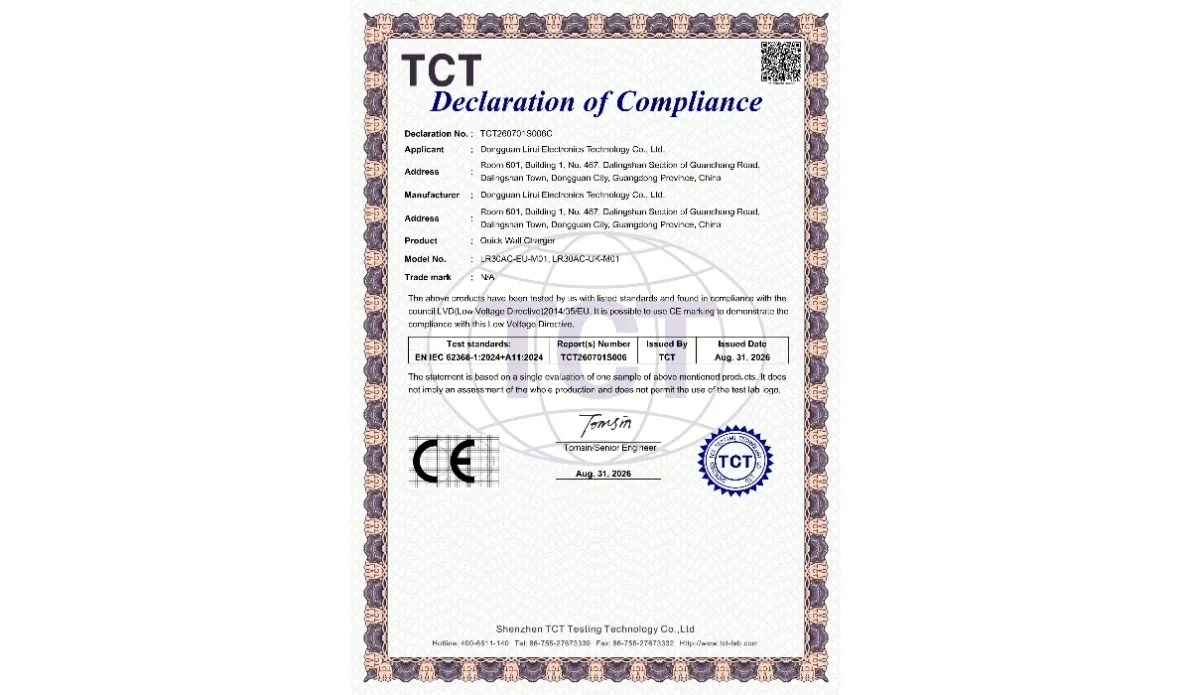
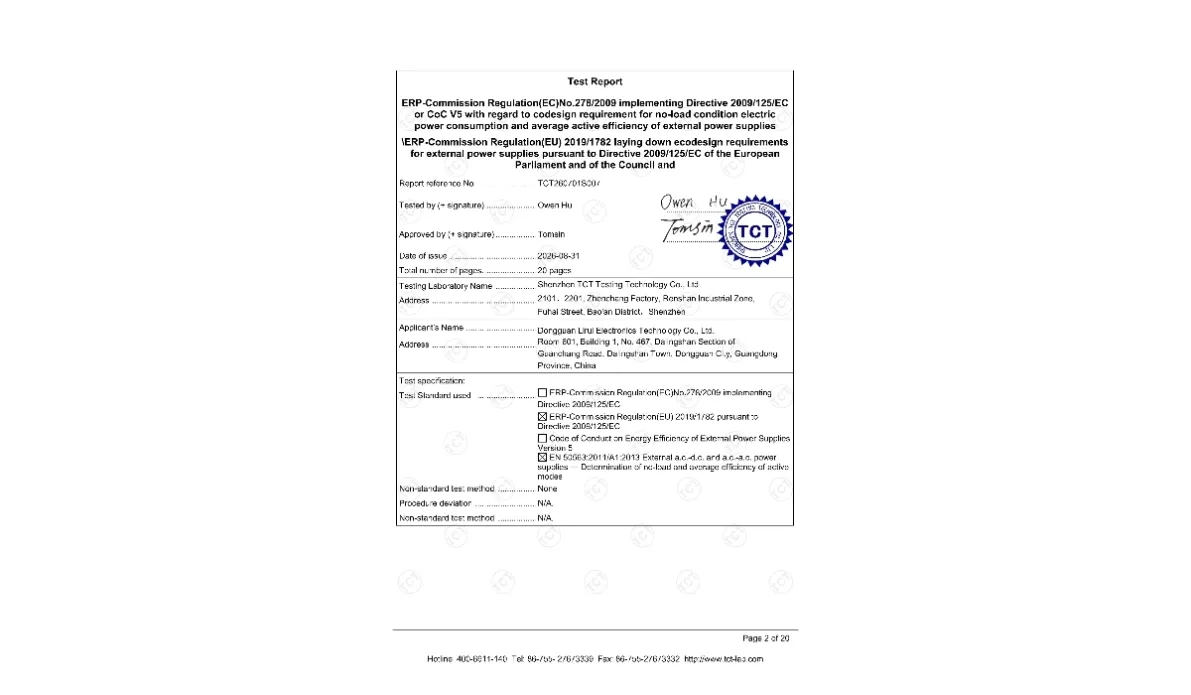
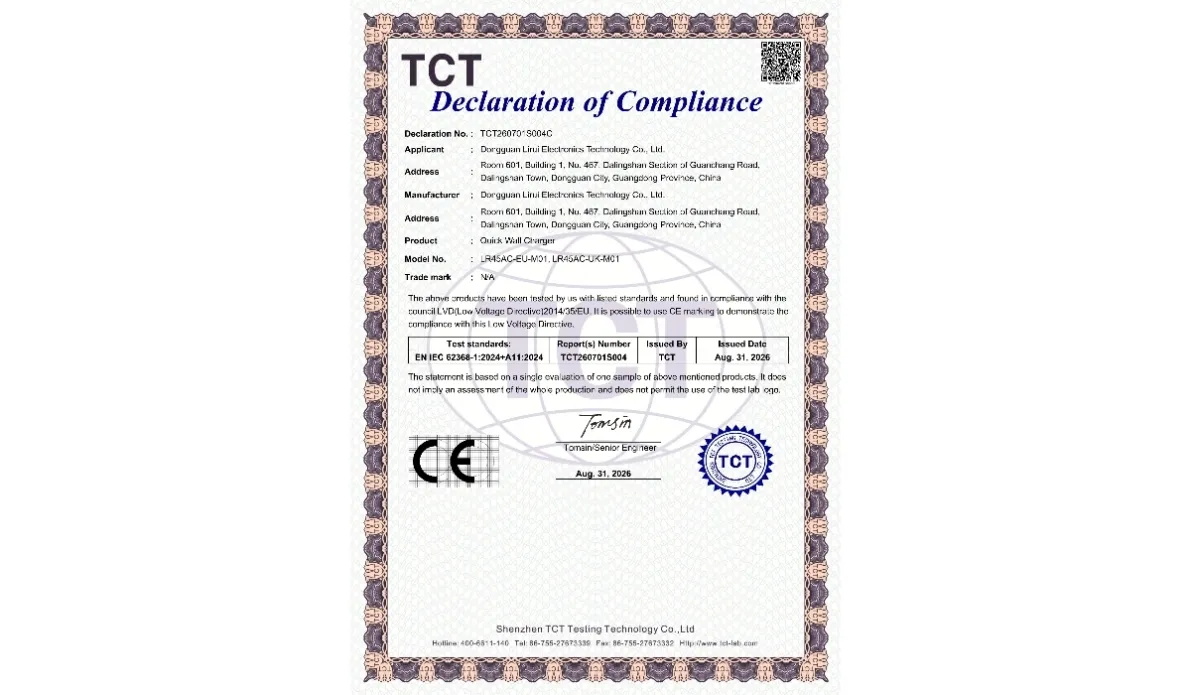
- Available certification documents
PCBA testing helps check circuit stability and soldering quality. Aging testing helps verify temperature control and long-term reliability before shipment.
How Lirui Controls Charger Quality
Lirui supports material inspection, PCBA testing, aging testing, function testing, and packaging inspection for charger orders. These steps help reduce sourcing risks for importers, wholesalers, and private label customers.